


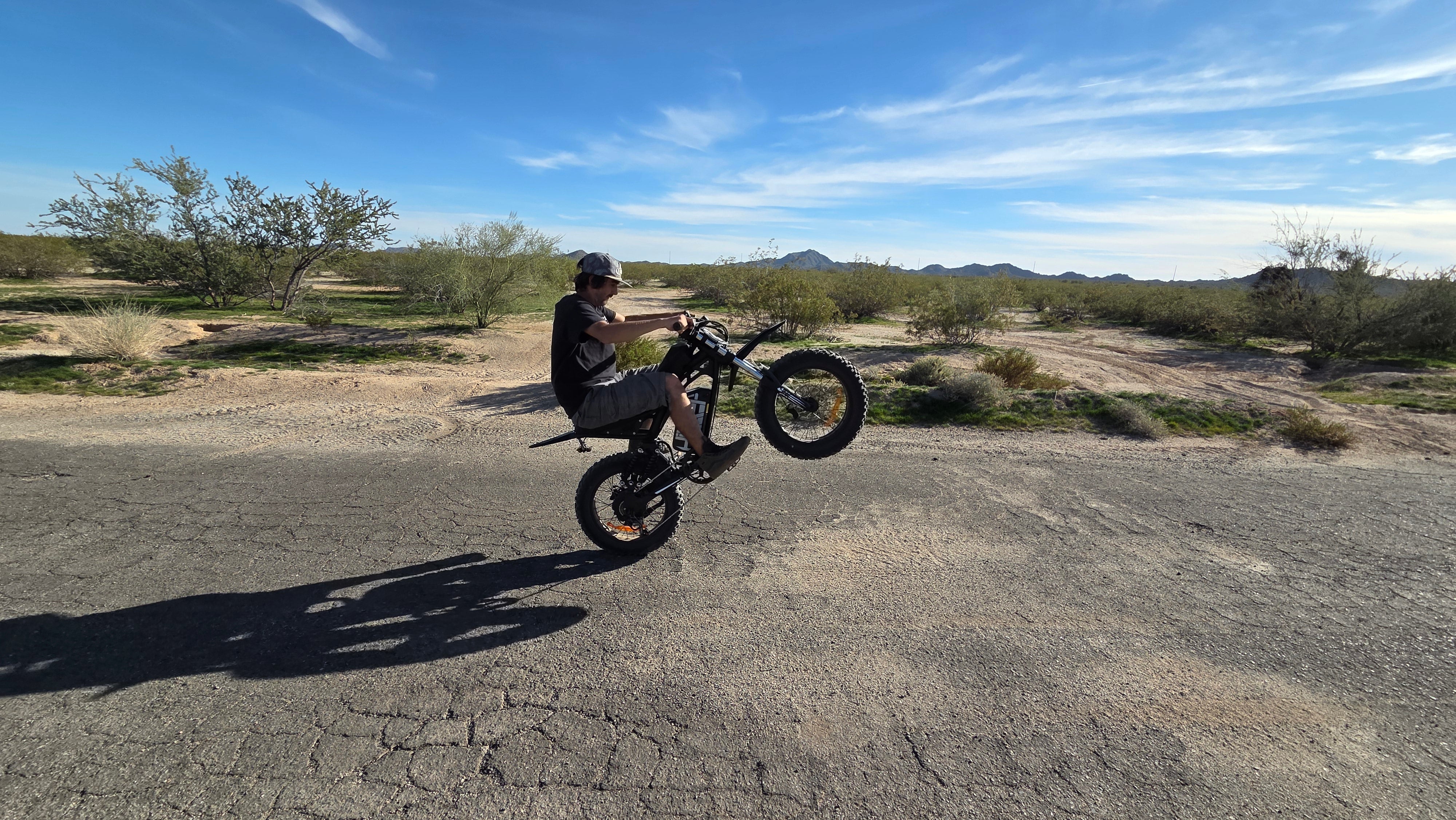
E-bikes are heavier and faster than traditional bicycles, making brake choice critical for rider safety, comfort, and control. While mechanical disc brakes offer affordability and roadside repairability, hydraulic disc brakes deliver 20–30% more stopping power with significantly less hand effort.
How They Work
Mechanical Disc Brakes: Squeezing the lever pulls a steel cable, moving an actuator arm that presses a single pad against the rotor. The rotor flexes slightly to touch the opposite pad, creating an on-off feel that demands higher grip strength.
Hydraulic Disc Brakes: Squeezing the lever pushes fluid through a sealed line, driving pistons on both sides of the caliper simultaneously. Dual-sided pad movement maximizes leverage, delivers precise modulation, and self-adjusts as pads wear.
Key Performance Differences
Power Transmission: Mechanical systems rely on exposed steel cables, whereas hydraulic systems use sealed fluid lines.
Pad Movement: Mechanical brakes feature single-sided pad movement; hydraulic systems use dual-sided movement for better energy efficiency and braking power.
Lever Effort: Mechanical brakes require more travel and manual force, while hydraulic systems offer short travel and a light touch requiring only one or two fingers.
Adjustment & Weather: Mechanical brakes require manual adjustments every few weeks and leave cables exposed to rust and grit. Hydraulic systems are self-adjusting and fully sealed against the elements.
Choosing for Your Riding Style
Urban Commuters & Heavy E-Bikes: Hydraulic brakes excel in stop-and-go traffic and handle 70–90 lb e-bikes effortlessly on steep hills.
Riders with Hand Fatigue or Arthritis: Hydraulic systems require roughly 50% less lever effort, allowing comfortable, fatigue-free control on long rides.
Off-Road & Mountain Trail Riding: Technical descents require exact force modulation, making hydraulic systems the standard for off-road terrain.
Remote Bikepacking & Budget Cyclists: Mechanical brakes shine for remote touring because emergency repairs require only a standard 5mm Allen key and a replacement cable.
Cost Breakdown and 5-Year Ownership
Entry-level hydraulic systems now cost less than premium mechanical brakes, narrowing the long-term price gap between the two options.
Budget Mechanical Systems: These are usually included on entry-level bikes. With low upfront costs and annual maintenance around $40 for pads and adjustments, the 5-year total cost sits around $200.
Premium Mechanical Systems (e.g., BB7): Upfront hardware costs run $100–$150 per wheel ($250 total), with annual maintenance around $35, bringing the 5-year total to about $425.
Entry-Level Hydraulic Systems (e.g., MT200): Hardware runs $60–$100 per wheel ($150 total), with annual maintenance around $60 covering pads and a yearly bleed, resulting in a 5-year total of about $450.
Quality Hydraulic Systems (Shimano): Upfront costs reach $150–$250 per wheel ($300 total), with annual maintenance around $50, totaling roughly $550 over 5 years.
Top Recommendation: Hikeep MA-S Electric Dirt Bike
If you are looking for a high-performance e-bike that delivers top-tier safety, responsive handling, and serious stopping power on all terrains, look no further than the Hikeep MA-S Electric Dirt Bike. Engineered to handle high speeds, demanding off-road trails, and steep descents, the Hikeep MA-S comes equipped with a high-capacity hydraulic braking system that matches its high-torque motor and rugged build. Whether you are carving up mountain trails or navigating city streets, the Hikeep MA-S ensures maximum control, minimal hand fatigue, and complete confidence on every ride.
Share:
The Ultimate E-Bike Battery Guide: How to Choose the Right Power Source for Your Ride
6 Essential Questions to Ask Before Buying an Electric Bike: A Buyer’s Guide